
F&M Stories
Summer Research in Lancaster City's Rain Gardens: A Photo Collection
Franklin & Marshall's biology lab conducts research with real-world impact on the College's home city of Lancaster.
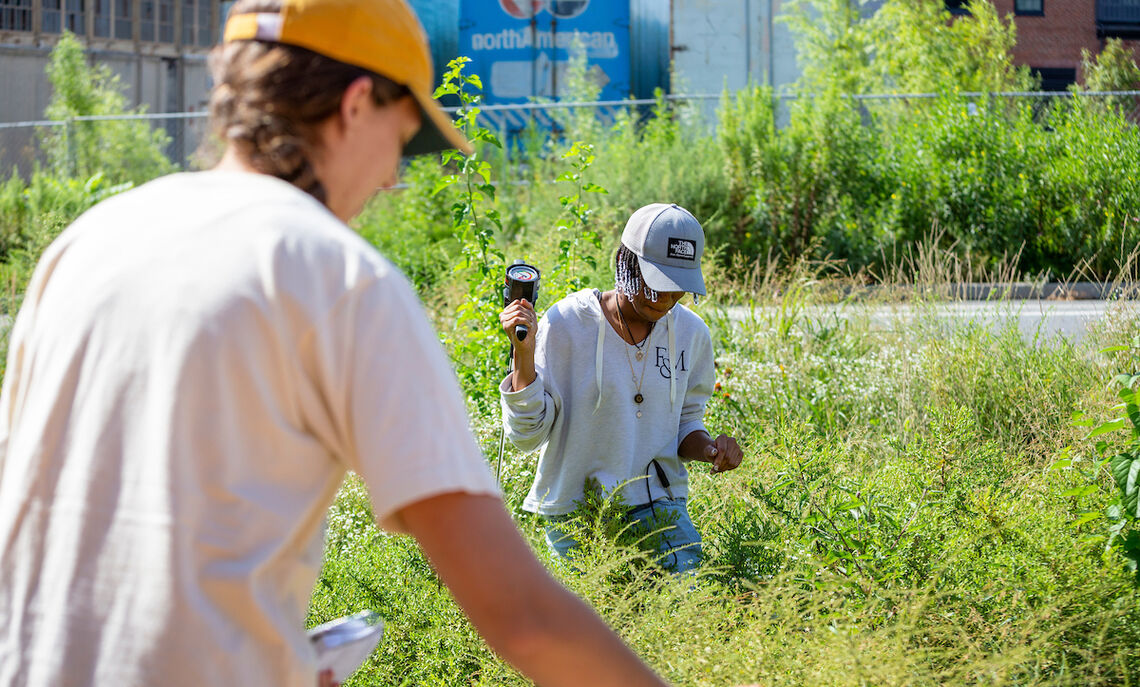
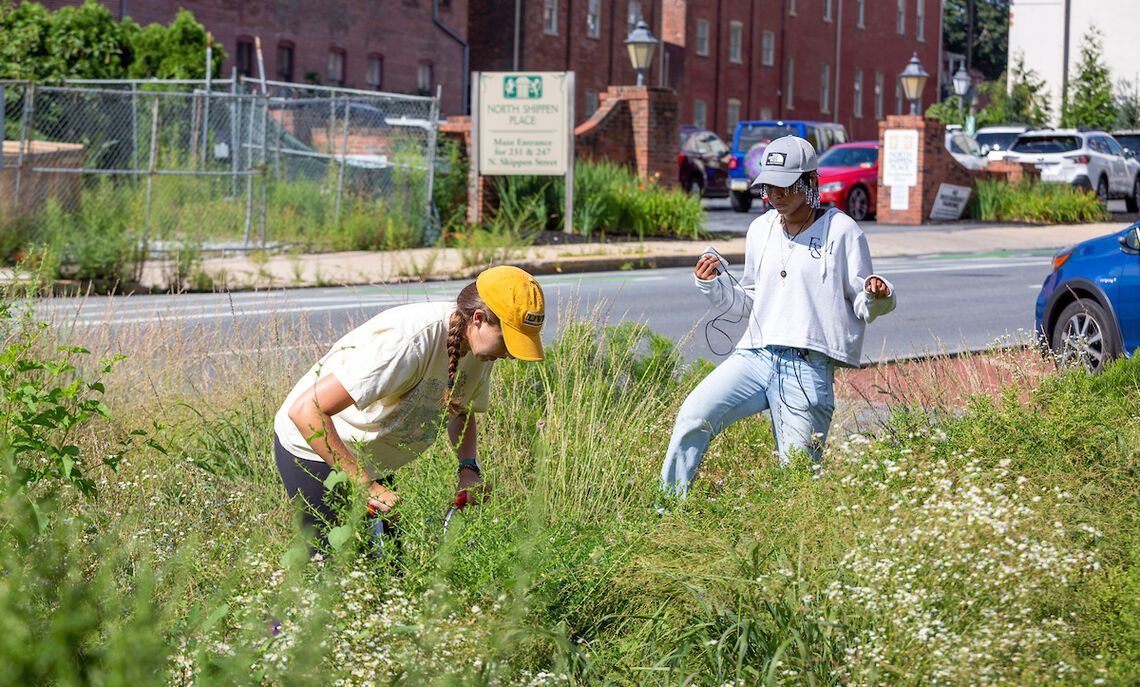
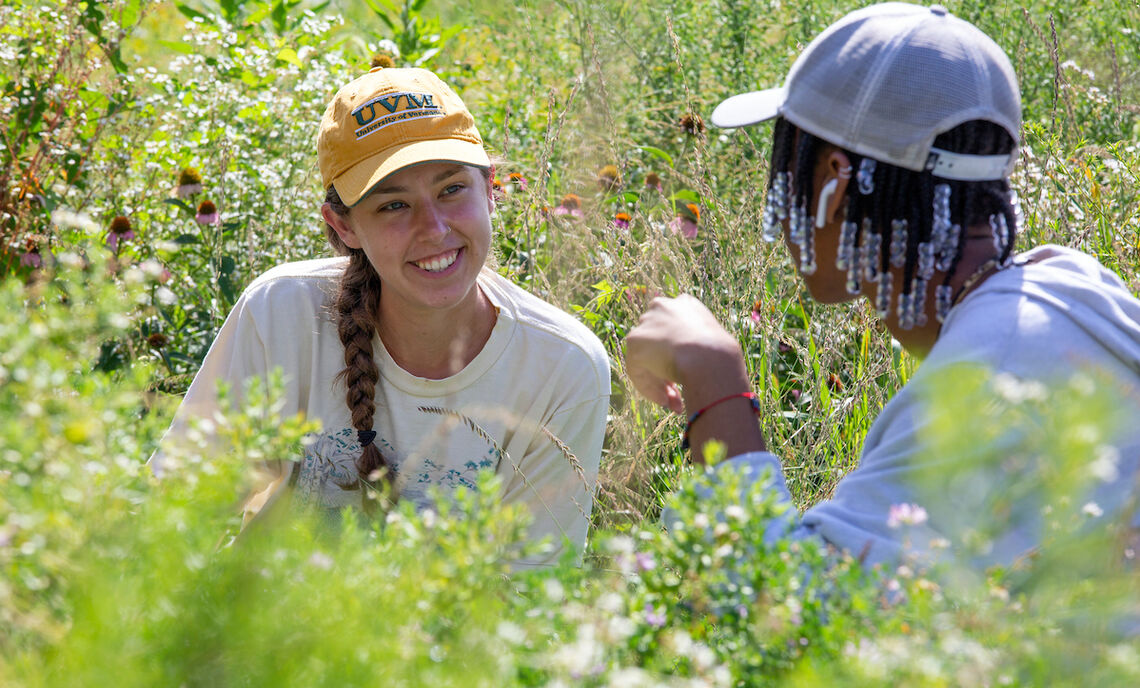
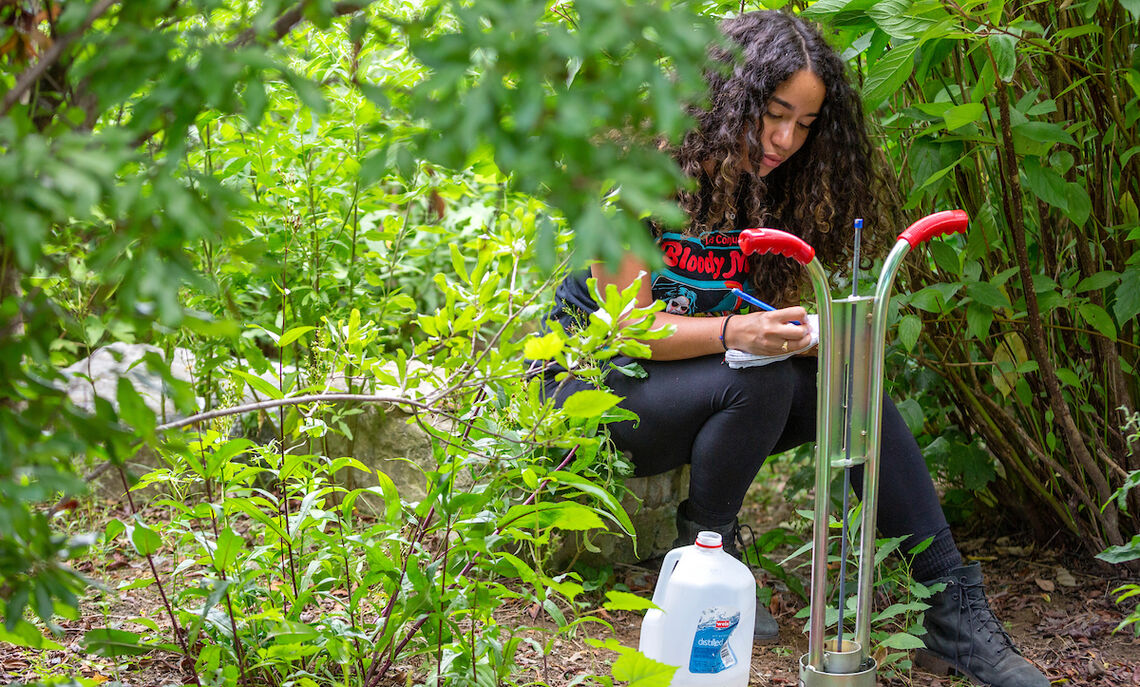
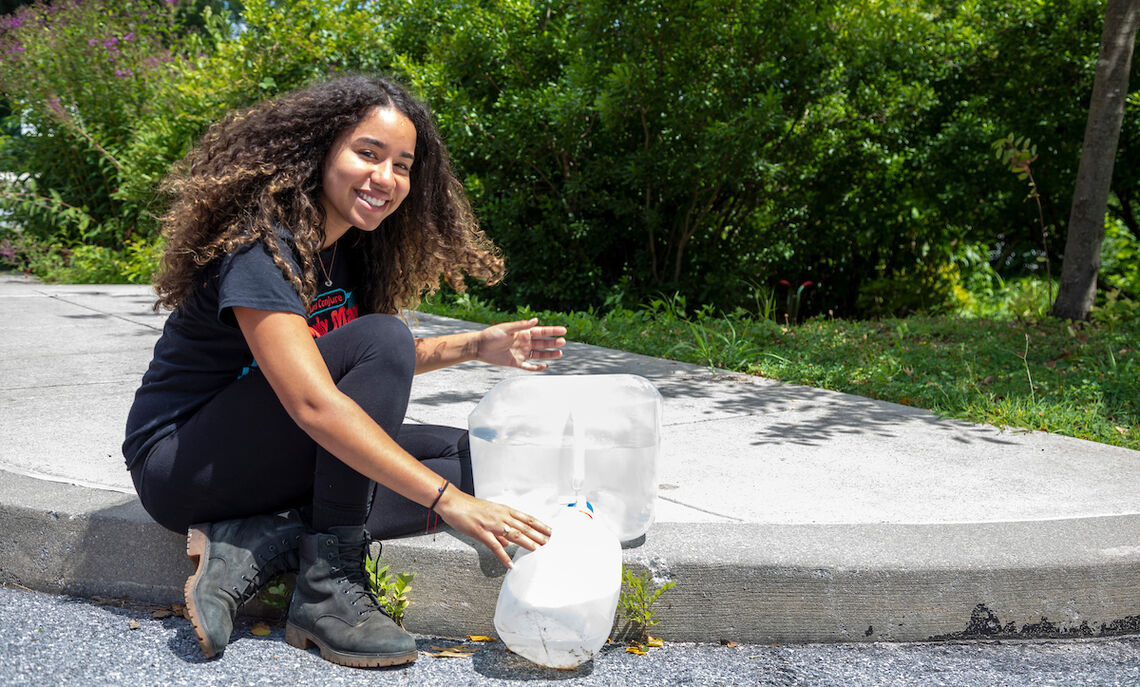
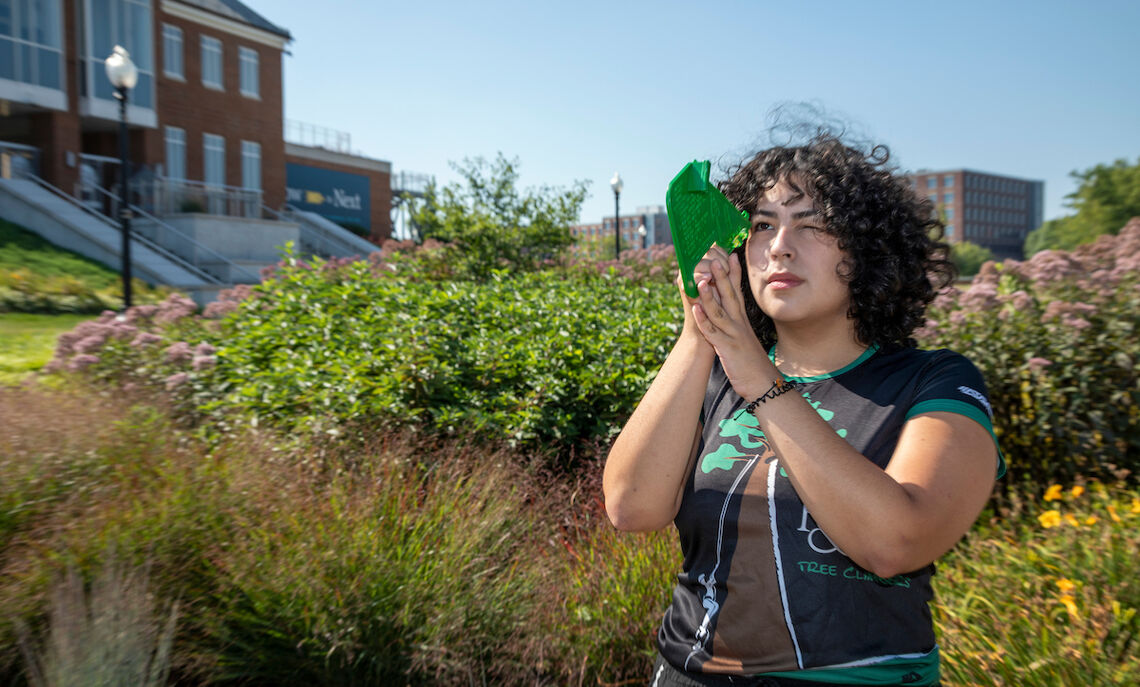
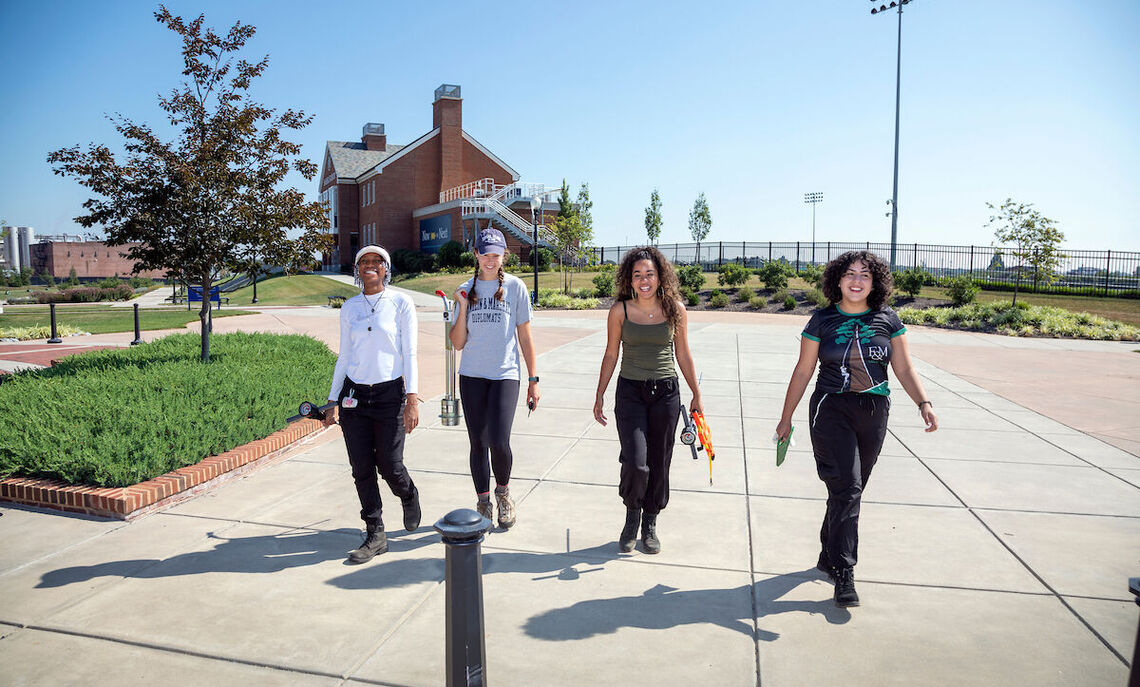
This past winter, a group of students trekked into Lancaster City for a unique research opportunity: measuring the performance of the city's rain gardens, an environmentally friendly installation designed to counteract the sometimes damaging effects of stormwater runoff.
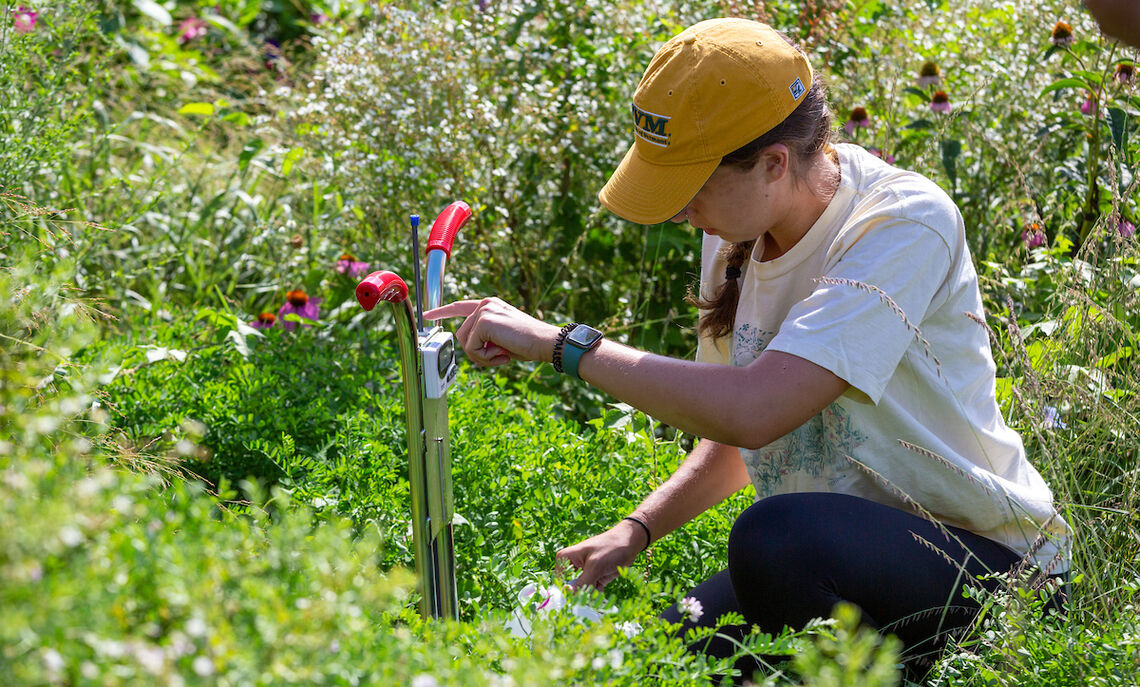
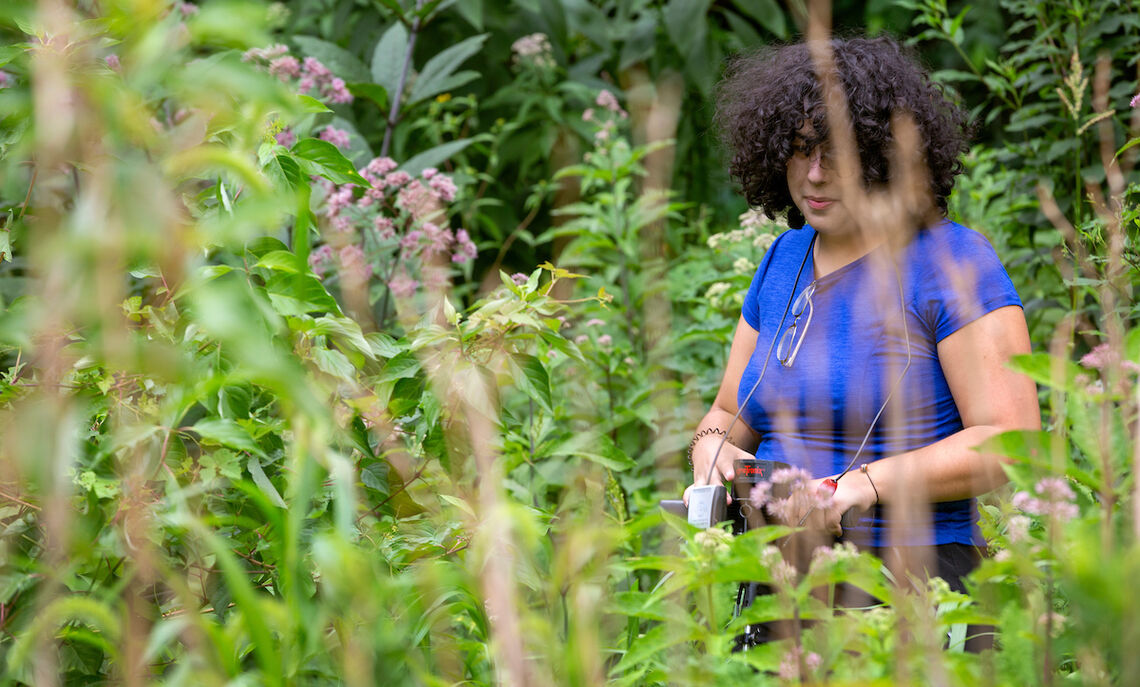
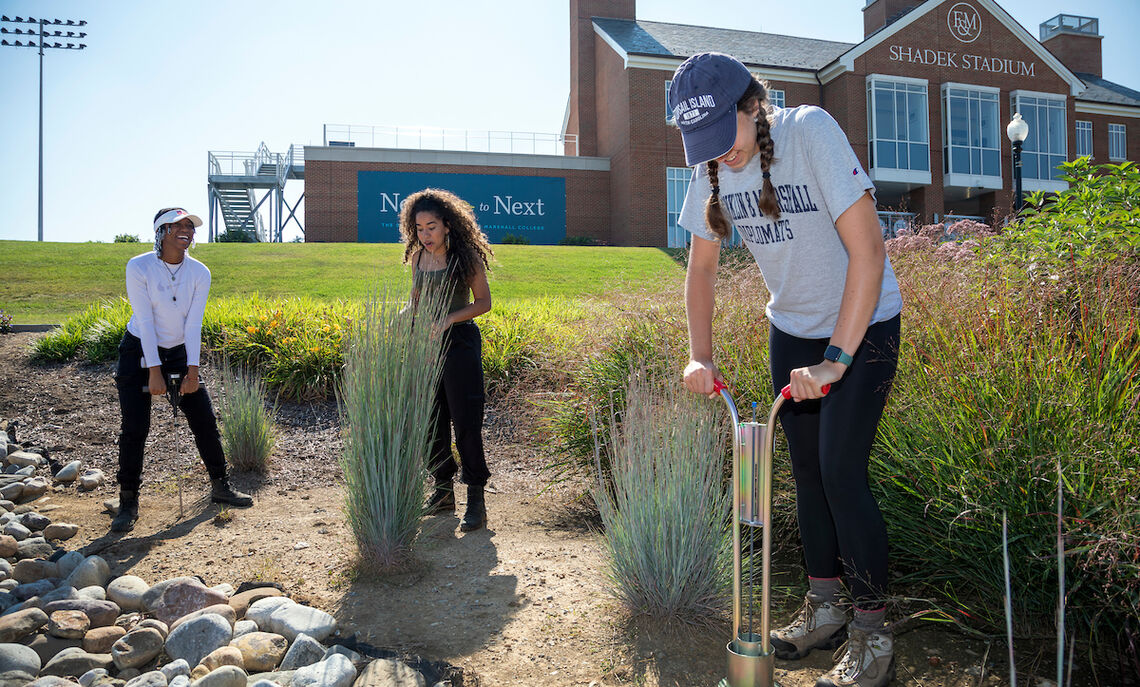
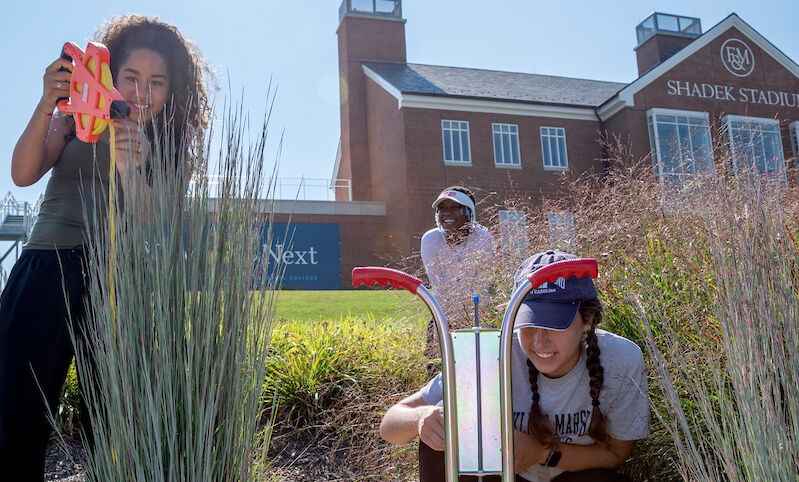
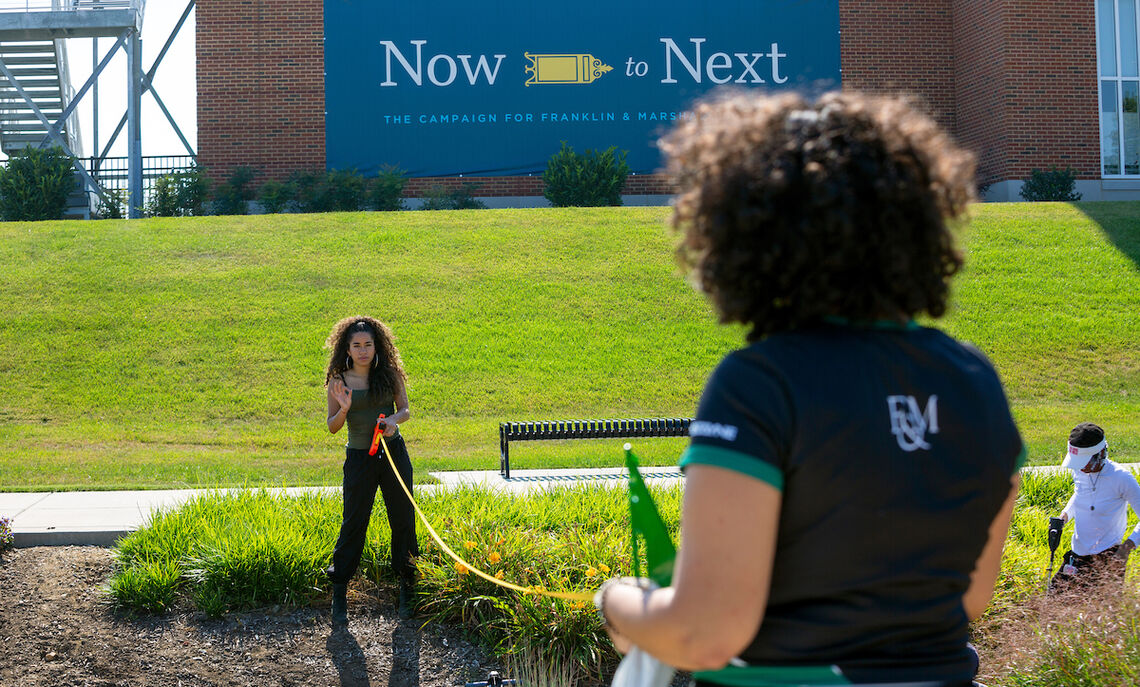
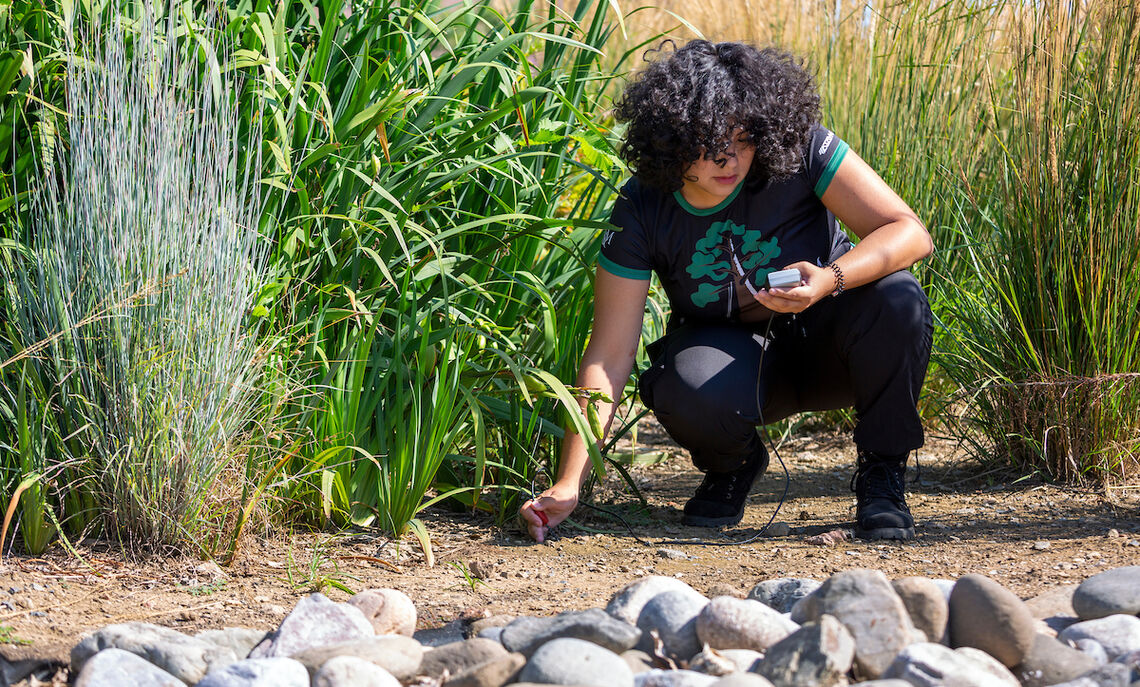
This summer, the research continues. Now that vegetation is present in the rain gardens, F&M Associate Professor of Biology Sybil Gotsch and students in her ecohydrology lab are taking new measurements to compare to Gotsch's Plants and the Environment course's winter results.
"We expect the functioning of these gardens to be quite different with and without vegetation," she said.
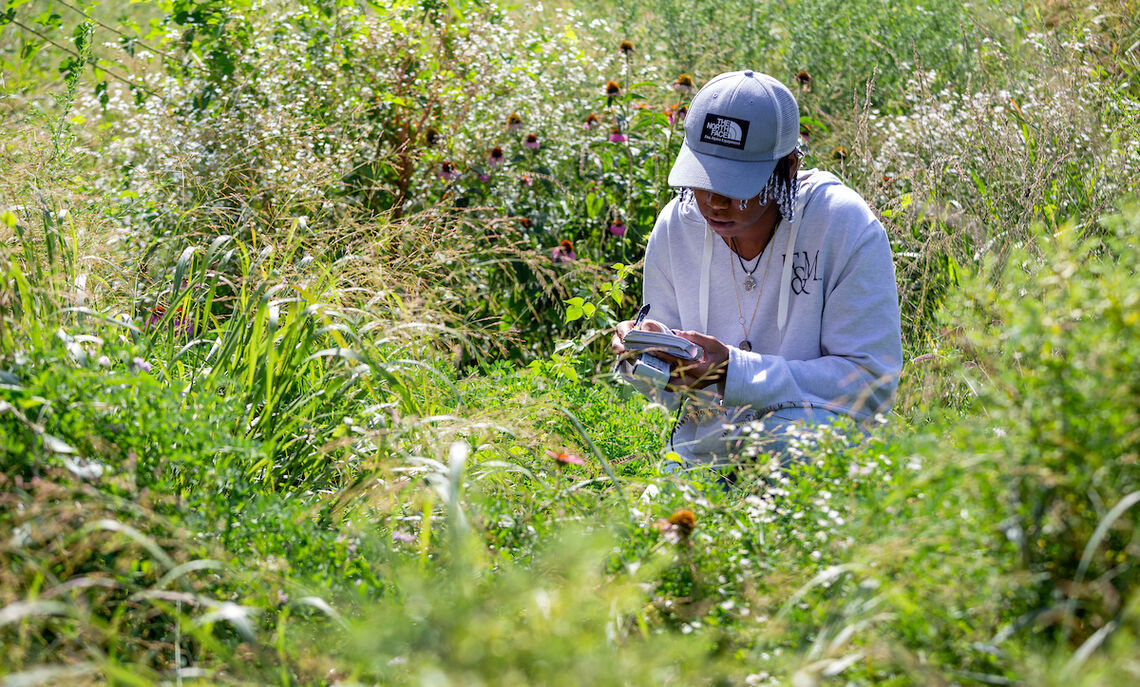
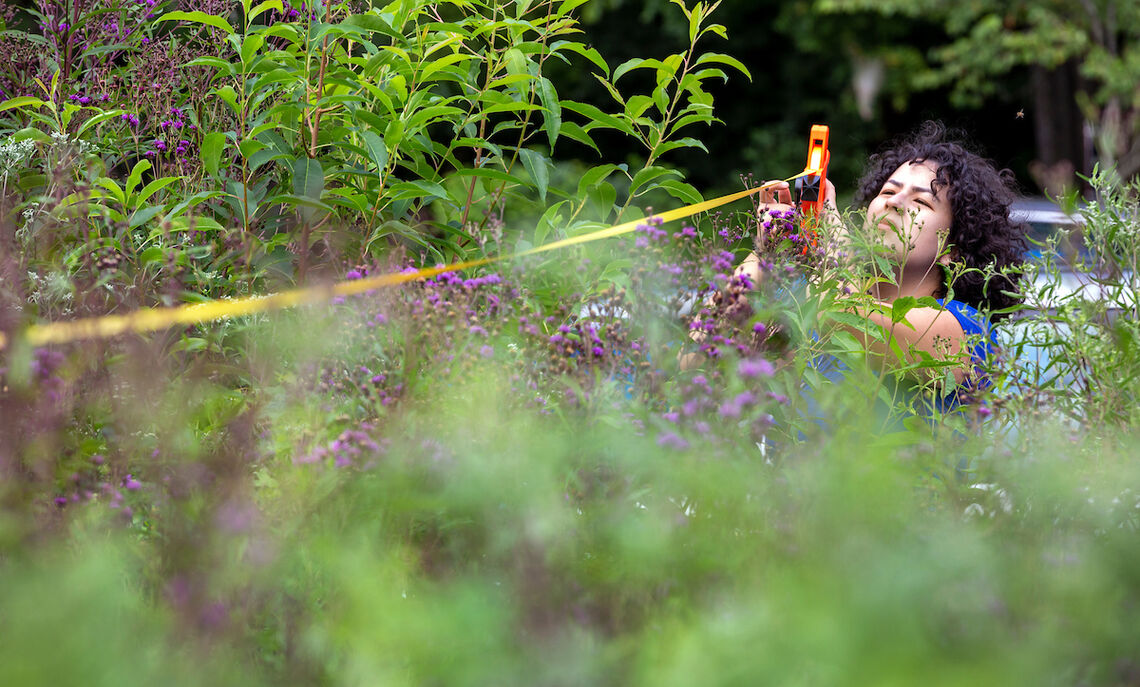
The team is also performing diversity surveys on the vegetation in each of the gardens. Gotsch said different plants can be linked with different infiltration rates and because root structure varies by species, the anatomy of the roots impacts how water runs through the system. Understanding root structure and infiltration rates helps Gotsch and her students determine the success of Lancaster's rain gardens—an important feat, as uncontrolled stormwater runoff leads to the pollution of the Chesapeake Bay.
"These diversity surveys will also allow us to quantify additional benefits to the ecosystem such as pollinator and bird resources and habitat," she said.
Explore the gallery below to see the students' research in action.
Related Articles
September 23, 2026
F&M Joins Project Pericles, Amplifying Community Partnerships in Lancaster
Franklin & Marshall has been selected to join Project Pericles, an honor that underscores the College’s commitment to fostering meaningful impact in its home city of Lancaster.
September 8, 2026
Lancaster Internship Shapes Pre-Law Path
Molly DeBrandt ’28 transformed academic curiosity into career conviction. As an intern with the Office of the Public Defender of Lancaster County, she stepped directly into the daily realities of public defense and discovered a passion for law. “I now intend to apply to law school following my graduation from F&M,” she said.
September 2, 2026
‘I Find It Important and Necessary’: Uncovering Lancaster's Hidden History
For Frances Taylor ’27, the Lancaster Vice project checked all the right boxes: collaborating with a faculty mentor, exploring how their two majors converge in the real world, and unearthing stories the city had forgotten. “I enjoy learning about hidden history that popular culture often overlooks,” Taylor said.